
We’re grateful for thoughtful reporting and community dialogue about Lopez Island’s future. These are big conversations, and they deserve both honesty and clarity. A recent Salish Current article by Chom Greacen, titled “Lopez Island in Need of Financial Health Check, Community Conversation,” raised important questions — some points were spot-on, while others could use more context. Here’s a closer look.
It’s true: costs are rising, grants are harder to secure, and many nonprofits (on Lopez and nationwide) are stretched thin. That’s exactly why Lopez Rec is being proposed now — to move away from unstable grants and annual fundraising toward a community-owned, sustainable solution for whole-island recreation and youth programs.
This part is important. Like the golf course, the pool is a privately owned nonprofit facility. Like the Food Center, it has its own independent fundraising and governance. The Lopez Rec levy does not fund these facilities. The levy is for programs: school sports, afterschool and summer care, and all-ages recreation. If Lopez Rec uses these spaces, it will be through facility use agreements — the same way we might use the school gym for basketball. It’s important to keep the private and public sector lanes clear. Lopez Rec will be a public taxing district: its dollars will be dedicated to broad, equitable community benefit, and directly accountable to the community. Commissioners are elected by voters, programming priorities are shaped through ongoing community input, and the levy itself goes back on the ballot every six years for renewal. Private nonprofits (like the pool or food center) are member- and donor-driven, with their own missions, boards, and fundraising — they do valuable work, but they are not accountable to the public through elections or levies. Comparing the two in the same visual is a little like asking what variety of apple a tangerine falls under.
The article states that 40% of the levy will go to staffing and administration. Here’s the fuller picture:
As a committee, we were tasked with identifying a budget that can adequately fund the services and programming we intend to preserve for our community. We spent extensive time researching the budgets of existing Park and Recreation Districts and performing the due diligence necessary to ensure adequate levy revenue. Actual budget development is iterative, and ultimately, up to the elected commissioners and open to community input.
That being said, the Rally for the Rec budget envisions a full-time director and, if needed, part-time assistant, with competitive wages and benefits that allow them to live here. For budget purposes, we used the state average salary, and we also conducted our own local comparative salary study. Actual salaries and staffing plans will be determined by the elected commissioners. As a committee, we are merely making a well-informed allocation.
Quality staff is what makes running programs, coordinating volunteers, managing insurance, keeping kids safe and handling scheduling and registration possible. Without this, we would be right back to where we are now, dependent on the good-hearted volunteers of our community. It’s simple; without staff, programs fail. We’ve already seen this with youth baseball, which didn’t happen this year because there wasn’t enough volunteer capacity.
Parks and Rec districts that are connected to city or county government typically access government infrastructure like insurance, legal and accounting support, etc. Lopez Rec needs that infrastructure, too, and envisions other organizations and individuals accessing that infrastructure to create efficiencies across the island.
This isn’t “extra bureaucracy.” It’s the structure needed to deliver programs reliably year after year.
The article highlights Lopez School’s $300,000 shortfall.
Here’s what matters:
Yes, property taxes on Lopez have risen over the past five years. But most of that increase is due to property value growth, not new levies. The proposed Rec levy is lower than San Juan’s Island Rec and comparable to similar districts in Washington.
For the median property owner, the annual cost of the levy is less than what a single off-island plumber visit would be. And the return on that investment is far greater: keeping that plumber and their family here, sustaining our school, and preserving essential programs that support the whole island.
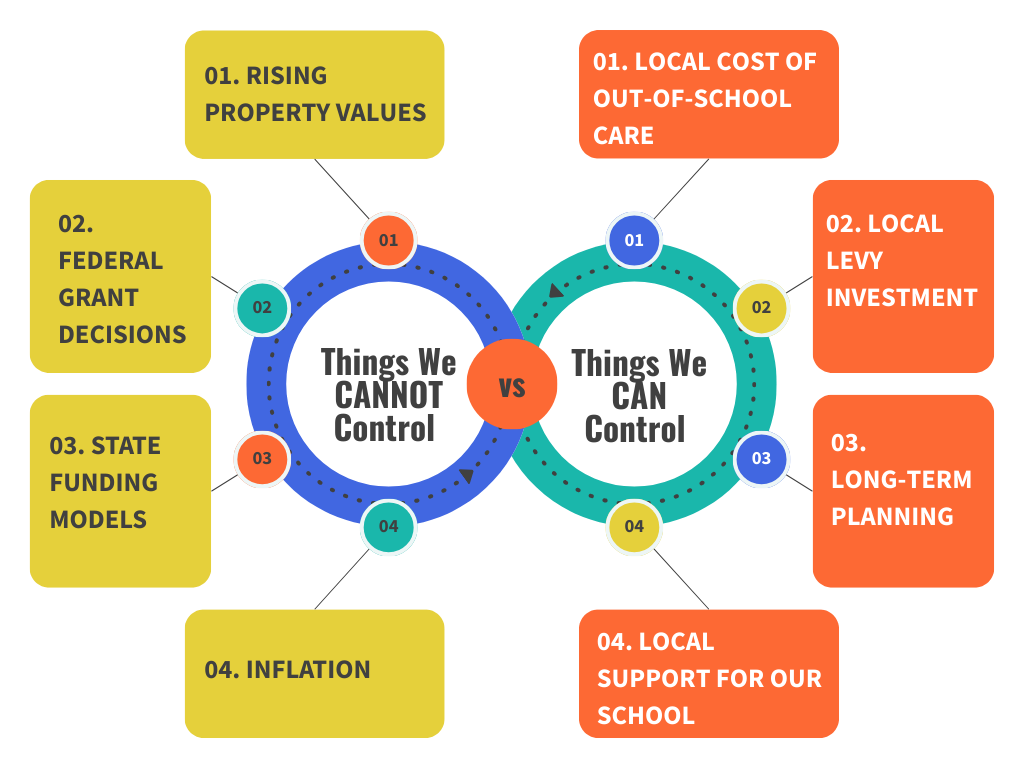
Lopez Rec is designed to complement — not compete with — what already exists.
The article calls for a community conversation—and we couldn’t agree more!
That’s why we’ve held two Town Halls, with a third coming up on Tuesday, September 30th from 6:00pm to 8:00pm.
It’s also why Rally for the Rec has earned endorsements from so many local organizations: we’ve met with them, listened carefully, and explored ways to collaborate and serve all Lopezians more efficiently. The Lopez Rec commissioners, elected by voters, will continue to be responsive to community input throughout their term.
Lopez is strongest when we work together. The Rec levy isn’t about “extras.” It’s about protecting essentials: keeping school sports alive, ensuring safe after-school care, and providing opportunities for people of all ages to stay active and connected.
This is a locally driven solution to sustain the heart of our community in uncertain times, for Lopez, by Lopez.
Rally for the Rec © 2024 Lopez Island Parks and Rec District Formation Committee | Website and Branding by Stephanie Cariker